
Game development in Uzbekistan: an industry already shipping to Steam
A state award for game teams, IT Park tax breaks and Steam releases — Uzbek gamedev has stopped being a hobby. What local studios can already do and why regular business should care.

Gamedev, Unity / Unreal Engine
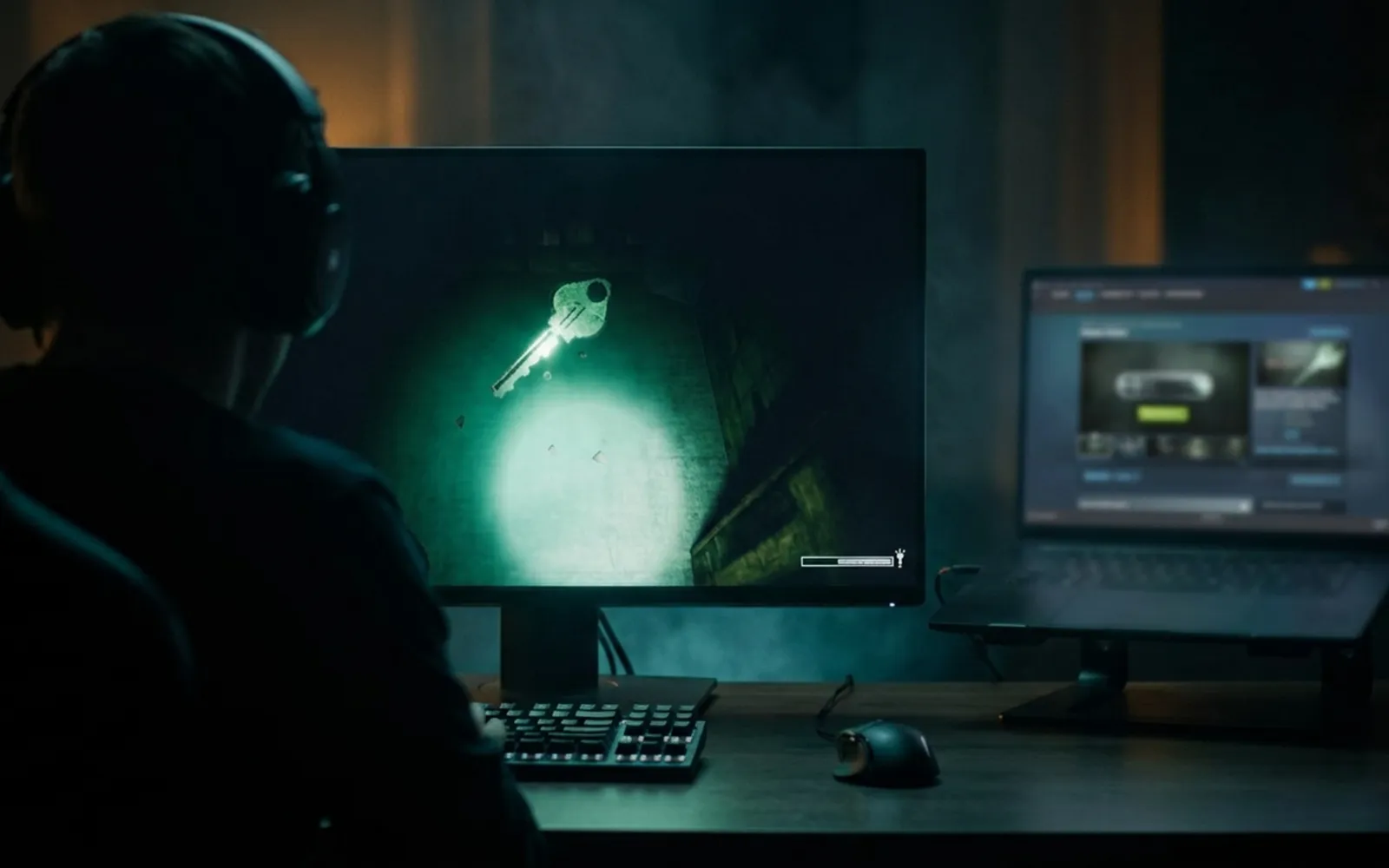
A few years ago “game development in Uzbekistan” sounded exotic: enthusiasts, prototypes, plans. Today the picture is different — local teams ship games to Steam, the state hands out an award for game projects, and game engines work for developers, banks and retail as much as for entertainment. Here’s what Uzbek gamedev can already do and how business can use it.
What has changed in recent years
Three conditions came together. First, infrastructure: IT Park residency gives studios tax benefits, turning game development into a legal, profitable business rather than gray-zone freelancing. Second, state-level recognition: President Tech Award, the national prize for tech projects, has a dedicated computer and mobile games track. Our team is a 2025 laureate of that award — we took second place in the games track itself. Third, talent: Unity and Unreal Engine stopped being rarities, with real projects and communities growing around them.
A Steam release from Tashkent is already real
The best argument against “nobody makes games in Uzbekistan” is a concrete release. Our portfolio includes KELDER: a survival horror on Unreal Engine 5, released on Steam on August 15, 2025. Not a prototype or a demo — a full store release with 18 achievements, 7 languages, multiple endings and a trailer. How it was built matters too: all game logic runs on Blueprints, UE5’s visual scripting. For a client this means production quality is reachable faster and cheaper than commonly assumed — the same approach works for a game MVP or an investor prototype.
What gamedev gives regular business
Game technology left the borders of gaming long ago. The same engines and teams solve thoroughly practical business jobs:
- AR/VR presentations and virtual showrooms: a product or property can be “turned in the hands” before it exists.
- Architectural visualization for developers: an interactive walk through a future residential complex sells better than renders.
- Training simulators for staff: practicing dangerous or expensive scenarios with no risk or downtime.
- Product gamification: game mechanics in an app or loyalty program that move specific metrics.
- Brand games and interactive ads: a WebGL game runs right in the browser — no install, no app stores.
How to choose a gamedev team
The main filter is shipped projects, not pretty art. Many can build a prototype in the editor; taking a game to the store shelf — with builds, localizations, achievements and platform moderation — is a different skill entirely. Ask about the stack (Unity and Unreal Engine cover different jobs), look at releases in public stores, and find out who on the team owns the path from playtest to publication. For business projects one more question matters: does the studio understand which metric the interactive should move — or is it selling “just a wow effect”?
Frequently asked questions
- How much does game development cost? The range is huge, because a “game” can be a browser brand game built in a couple of weeks or a PC release taking months. The right order: goal first (sales, training, reach), then the format for it, and only then the budget. Starting the conversation from genre is the road to overpaying.
- Do you need a big budget for AR/VR? No. The expensive part — headsets and stands — is optional: WebAR runs in a phone browser with no install, and a virtual showroom launches on a regular computer. Start with a small pilot and scale what shows results.
- Does Uzbekistan have gamedev talent, or is everything outsourced? The talent is here — Steam releases, a games track in the national award and growing Unity and UE5 communities prove it. The question isn’t whether specialists exist but which team you pick: look at shipped projects.
Lifehack: if you’re considering a game or AR/VR for business, start not with “we want what our competitor has” but with the customer action you want to amplify: stay longer, understand the product better, come back again. The format and engine are chosen for that action — not the other way around.
Got a project, not just a read?
Tell us about it — we'll put together a solution for your business.